The commercial building blocks
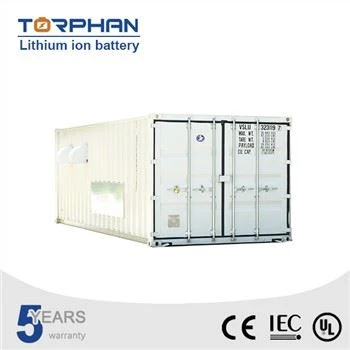
At cabinet scale, the commercial line uses the same lithium iron phosphate platforms as the wider ESS range — 51.2V units combined into banks sized to the site. At container scale, multiple containers run in parallel to increase total output capacity, each with inverters and AC and DC distribution boxes. The flagship container platform — 512 Vdc, 500 Ah, up to 150 kW, at least 5000 cycles — is detailed on the container page of this site.
Operating strategy is part of the product
The management concept for these systems adjusts operation according to the grid, the load, the storage state and the electricity price, optimising the system operation and the user's return. That is the commercial use case in one sentence: the battery charges in cheap or solar-surplus hours, discharges into the site's peak, and reserves capacity for outages — automatically, every day, without operator attention.
Where commercial storage is installed
Applications for the energy system family span family, commercial and industrial use, and the project case material behind the range includes energy storage and Power Wall projects in Europe and North America (stated here at regional level). Typical commercial duties are factory peak shaving, logistics-site backup for cold storage and IT loads, and solar self-consumption for commercial rooftops.
Specifying a system
Send the site load profile or a year of interval meter data, the peak you want to shave, the backup loads and autonomy required, and any PV on site. The proposal is built from the cabinet and container units with inverter and communication specification. Minimum order quantities and lead times are confirmed on quotation.
Parallel growth, one control system
Commercial loads rarely stand still for a decade, so the architecture is built to grow: cabinet banks add 51.2V units in parallel, and containers run in parallel to increase total output capacity, all reporting over the CAN, RS485 and MODBUS interfaces to the site's energy management system. A project can therefore start at the capacity the tariff case justifies today and add units — batteries or whole containers — as the load profile proves out, without replacing the control layer or retraining operators on a new system.