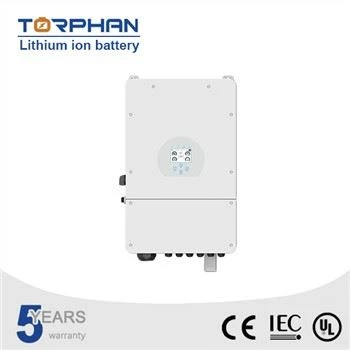
What the range offers a business site
The commercial end of the range is the energy-system family for family, commercial and industrial use: cabinet batteries for plant rooms, and container energy storage systems where multiple containers run in parallel to increase total output capacity. Each container comes with inverters and AC and DC distribution equipment, so a container arrives as a working power unit rather than a box of cells.
The high-end platform is the 512 Vdc container system: 500 Ah of LiFePO4 capacity, up to 150 kW of output, and communication over CAN, RS485 and MODBUS for integration with the site's energy management. The full datasheet is on the container system page of this site.
Operating modes that matter commercially
The home-and-business system design operates in both off-grid and grid-connected modes with seamless switching between them, and its management system can be configured to adjust the operating strategy according to the grid, the load, the storage state and the electricity price — which is precisely the control a peak-shaving or time-of-use project needs. In plain terms: charge when power is cheap or solar is surplus, discharge when the tariff or the load peaks, and hold a reserve for outages.
Specifying a business system
Commercial ESS is sized from data, not from a catalogue page: the site load profile, the peak to be shaved, the backup loads and their required autonomy, and any existing or planned PV capacity. Send those four items and the quote is built from the cabinet and container units, with inverter pairing and communication confirmed for the site's control system. Minimum order quantities and lead times are confirmed on quotation.
Delivery model for projects
Business systems are quoted as projects: the battery scope, inverter pairing, communication interface and installation assumptions are stated in the proposal, built from the cabinet and container units rather than from consumer product listings. OEM and ODM service runs across the manufacturer's range, and project buyers can align branding and documentation with their own integration programme. State your required usable kWh, peak kW and backup autonomy in the inquiry, and the proposal will name the units, the parallel configuration and the control interface for your site's energy management system.