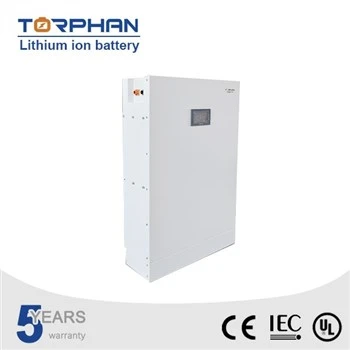
Building blocks
At home scale the storage units are the 51.2V wall series: 5.12 kWh, 10.5 kWh and 14.3 kWh per unit, parallel-ready. At project scale the solar battery storage platform is the container system detailed on this site: 512 Vdc, 500 Ah, up to 150 kW output, with a cycle life of at least 5000 cycles and air cooling for outdoor installation. Between those poles, rack modules and cabinets are combined to the capacity the array and the load require.
Why the feature list suits solar duty
Solar storage cycles daily, often for years without attention, so the features are the ones that matter: lithium iron phosphate cells for thermal and chemical stability, 100% depth of discharge capability on the container platform, accurate state of charge from the integrated battery management system, seamless integration with all industry-standard inverter and charge controllers, and built-in safety hardware — breaker, fuses and relays, with an on/off switch for shipping and installation.
Efficiency is 98% for the lithium battery line and at least 90% for the full container system including charge and discharge of the battery pack — the numbers that decide how much of each day's generation actually comes back as usable power.
Sizing against the array
The working rule is to size storage against the load the array serves, not against the array alone: evening and night consumption for self-consumption projects, critical-load autonomy for backup projects, and full daily throughput for off-grid projects. Send the array size, the daily consumption and the backup requirement, and the quote is built from the units above. Minimum order quantities and lead times are confirmed on quotation.
Integration with the inverter you already have
The storage literature is explicit that Torphan systems integrate seamlessly with all industry-standard inverter and charge controllers, and the product design backs that at the interface level: CANbus and RS485 communication from the smart BMS, standard 51.2V architecture at home and cabinet scale, and on the container platform CAN, RS485 and MODBUS for plant controllers. When you inquire, name your inverter brand and model; the quote confirms the communication pairing against the interfaces instead of leaving integration to the installer to discover on site.