Step one: name the loads that matter
Backup sizing starts with a load list, not a house size. The essential tier is usually refrigeration, lighting, communications and internet, and any medical equipment. The comfort tier adds cooking, water heating, entertainment and air conditioning. Each load has a running wattage and an hours-per-day figure; multiply, add across the list, and you have the kWh the battery must deliver during an outage.
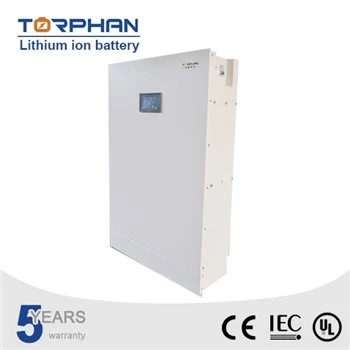
A worked example at the range's unit sizes: an essentials-only list commonly totals 3 to 5 kWh overnight — assuming a fridge-freezer at roughly 1 to 1.5 kWh per day, LED lighting, a router and devices, and a few hours of television, with no electric cooking, water heating or air conditioning in the outage window. One 5.12 kWh Li-W Power Wall unit delivers about 4.9 kWh at its 96% depth of discharge, before inverter losses — enough for the lower part of that range, while a list near the 5 kWh end steps up to the 10.5 kWh unit or a second wall unit in parallel. Adding the comfort tier changes the power picture as well as the energy total: an hour of cooking at a hob draw of around 2 kW sits inside the 10.5 kWh unit's discharge ceiling of about 2.56 kW (50 A at 51.2 V), while a water-heating element at a typical 3 kW exceeds it and points to the 14.3 kWh unit (100 A maximum discharge, about 5.12 kW) or parallel wall units; solar homes planning full overnight autonomy step to the 28.6 kWh home system — about 27.5 kWh usable at its 96% depth of discharge, before inverter losses — with the overnight load list stated in the inquiry, so the quote checks that usable figure against the actual loads rather than the nameplate carrying the promise on its own.
Step two: battery versus generator
The comparison case for home backup is that generators have long been the default — propane, diesel and natural gas units — but they need fuel storage, maintenance, ventilation and a manual start, and they are loud. A LiFePO4 home system is silent, starts automatically when the grid drops (the design switches seamlessly between grid-connected and off-grid modes), needs no fuel logistics, and earns its keep daily on solar self-consumption instead of sitting idle waiting for an outage.
Step three: match the system
The building blocks for home backup are the TF-5KW-10KWH home system (220V, 5 kW output), the Li-W wall units at 5.12, 10.5 and 14.3 kWh, and the Li-S home systems at 14.3 and 28.6 kWh, all with smart BMS and inverter communication. Output power matters as much as energy: a 5 kW output covers an essentials list comfortably — refrigeration, lighting, communications and devices draw a few hundred watts to around 1 kW running — while larger motor loads need the inverter sized accordingly, which the quote confirms against your load list.
Send your load list and outage expectations through the quote form for a sized recommendation. Minimum order quantities and lead times are confirmed on quotation.