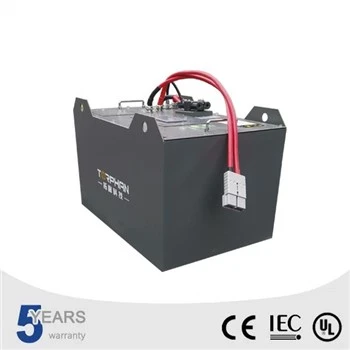
Fitment families
For Heli, the range records lithium batteries for Heli lift trucks across the voltage classes, 48V Heli forklift batteries, rough-terrain Heli fitments, and named designs such as the battery for the CPD30. For Hangcha, the range records lithium battery packs used on Hangcha forklifts, 24V, 36V and 48V Hangcha batteries, and a dedicated lithium ion battery line for Hangcha forklifts. Both fleets sit inside the wider mixed-fleet programme, so a site running Heli or Hangcha alongside other brands converts on one platform.
What the pack brings to these trucks
The Heli/Hangcha battery case is the full lithium case: charge in as little as 15 minutes of opportunity top-up during the day, increased cycle life and lower maintenance for Class I, II and III forklifts, and a lithium iron phosphate chemistry that delivers consistent power with no drop-off across the shift. The packs are completely sealed for maintenance-free operation — no corrosion, no sulfation, no dangerous gases, no watering, no cool-down time and no weekly equalisation charge.
Operating range runs from -31 F to 104 F with little to no drop-off in voltage output, which makes the same pack suitable from cold storage to intensive manufacturing. Warranty cover on the lithium-ion power systems for these fleets is 60 months or 3000 cycles.
Ordering
Send the truck make (Heli or Hangcha), the model designation, voltage and the capacity on the current battery plate. The quote is built against the fitment families above, with a matched TOR6107 charger on request. Minimum order quantities and lead times are confirmed on quotation.
A note on the Heli relationship
The manufacturer's forklift literature records Nanjing Torphan as a main supplier of Heli forklift batteries, and the Heli battery family is one of the deepest in the range — dedicated category listings, model-specific designs such as the CPD30 battery, and rough-terrain and electric Heli variants. Hangcha coverage runs in parallel, with its own category family and 24V, 36V and 48V battery listings. Buyers running either fleet are therefore quoting against the manufacturer's most-documented fitments, not against a generic "will fit" claim — the model designation on your truck is enough to start an exact specification.