The home range
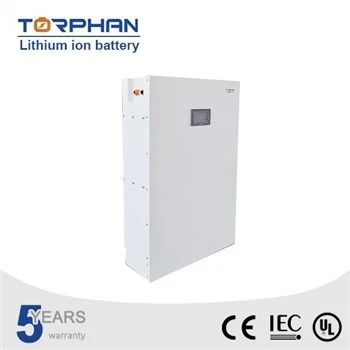
The headline home system is the TF-5KW-10KWH: a home battery energy storage system with 220V rated output voltage and 5 kW rated output power. Behind it sits the ESS battery TF51105 (51.2V, 5.3 kWh rated capacity, 5.1 kWh usable energy) and the wall-mounted Li-W series at 5.12 kWh, 10.5 kWh and 14.3 kWh per unit, with up to six units in parallel where a house needs more.
Home storage in this range is a complete system, not a bare battery: a built-in smart BMS, an LCD display option showing state of charge, voltage and temperature, and communication with the inverter over CANbus or RS485.
What home storage is bought for
The applications are backup power and solar self-consumption. For backup, the question is which loads matter — refrigeration, lighting, communications, medical or work equipment — and for how long. For solar, the battery charges from the array in the day and discharges through the evening peak, and the design supports both grid-connected and off-grid operation with seamless switching between modes.
Choosing a size
Work from the load list, not from the house size. A backup-only home often starts at one 5.12 kWh wall unit; a solar self-consumption home typically lands at 10.5 or 14.3 kWh; larger homes parallel units or step up to the 28.6 kWh home system on the Li-S platform. The sizing guide on this site's blog works through the arithmetic, and the quote form lets you send your daily consumption for a matched recommendation. Minimum order quantities and lead times are confirmed on quotation.
How the home range connects together
The home products on this page share the same 51.2V lithium iron phosphate architecture, but they are not interchangeable modules of one system. The parallel figures belong to each series on its own — the Li-W wall series parallels up to six units, and the Li-S home units up to six or two by model — and each product carries its own BMS and its own inverter communication settings. Expansion is therefore planned inside the series you start with: a home can start with one Li-W wall unit and add further Li-W units on the parallel figure, while any cross-series pairing, and the charger and inverter profile match for a given combination, is confirmed model by model in the quote. Communication to the inverter over CANbus or RS485 runs across the range.